How Proper Attic Ventilation Lowers Summer Cooling Bills
When the intense summer heat settles over Fort Worth, homeowners know all too well the familiar sound of the air conditioner running non-stop. As temperatures climb into the triple digits, keeping your home comfortable can feel like an expensive, exhausting uphill battle. Many people assume that high energy bills are just a mandatory tax for living in Texas, but the truth is often hiding right above your ceiling. The secret to a cooler home and lower utility costs isn't just a newer AC unit or thicker curtains—it is proper attic ventilation.
Your roof does much more than just keep the rain out; it acts as a complex system designed to protect and regulate your entire home. Unfortunately, ventilation is one of the most overlooked aspects of residential roofing. When a home cannot breathe properly, the consequences ripple throughout the house, affecting everything from your monthly budget to the structural integrity of your roof deck. Let's explore exactly how proper airflow works, why it matters so much in our climate, and how upgrading your system can provide immediate relief for your wallet.
Why Your Attic Feels Like an Oven
During a typical summer day, the sun beats down relentlessly on your shingles. If your home lacks a proper system to cycle that air, the temperature inside your attic can easily soar past 150 degrees. This trapped, stagnant heat doesn't just stay put; it radiates downward through your ceiling insulation and directly into your living spaces, fighting against your climate control efforts all day long.
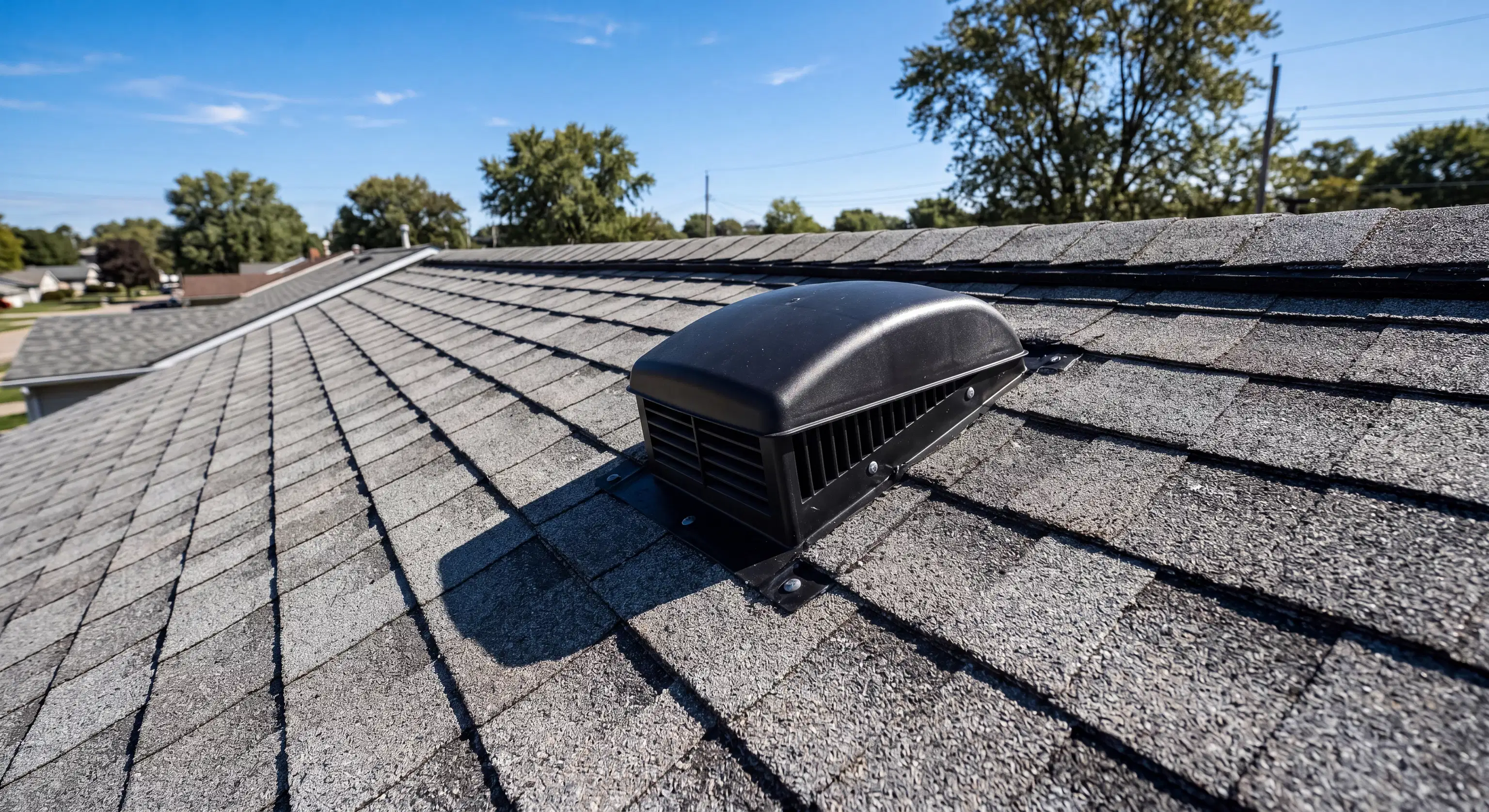
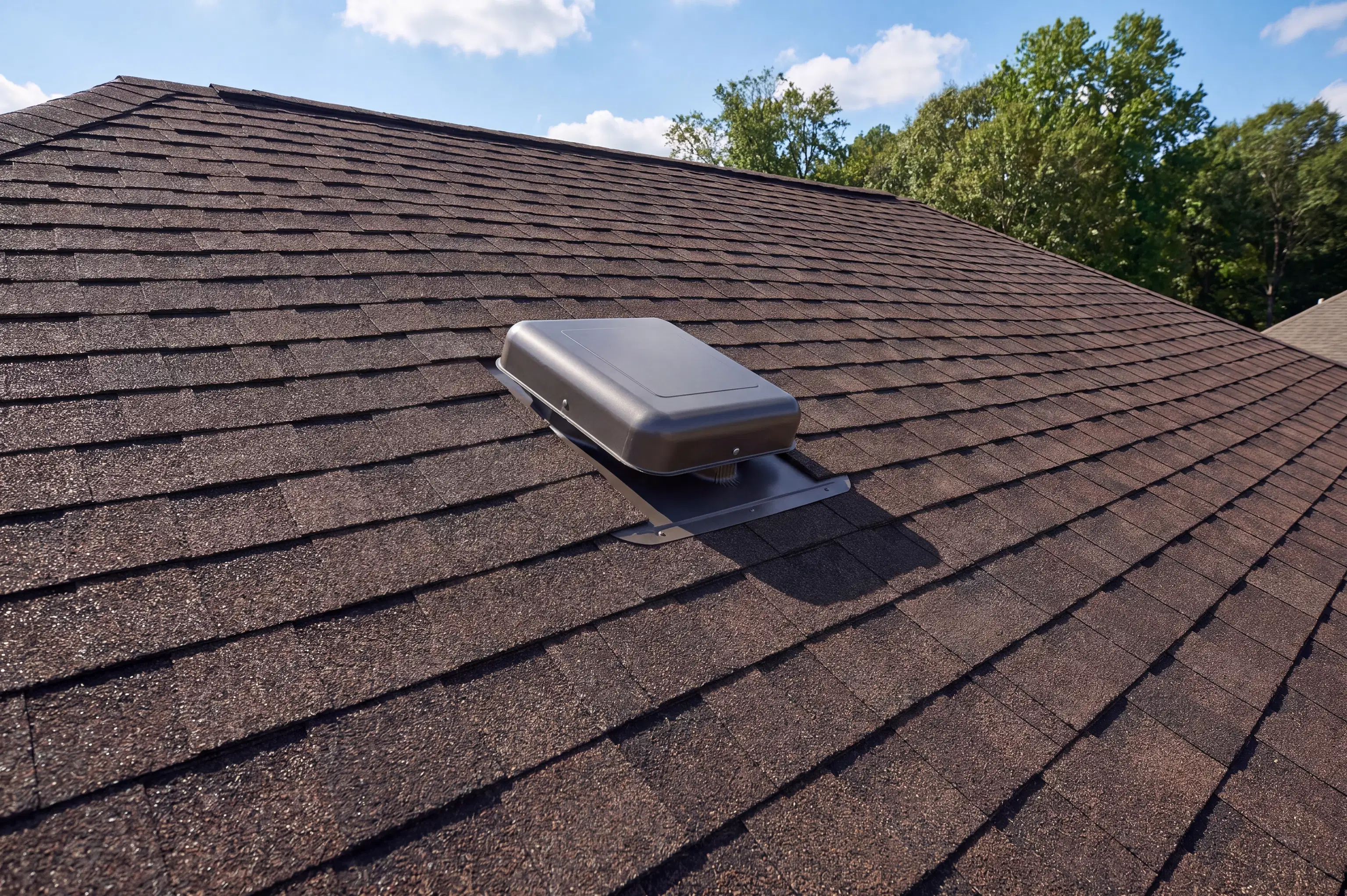
Reducing attic temperature during summer heatwaves is one of the most effective ways to improve your home's overall energy efficiency. When your attic is properly ventilated, it acts as a thermal buffer rather than a massive heat source. We achieve this through a carefully balanced system of intake and exhaust vents. Cool, fresh air is drawn in through the soffits at the bottom of your roofline, while the superheated air is naturally pushed out through the top. If you are curious about how your current setup is performing, a professional evaluation of your attic venting can reveal exactly where heat is getting trapped and how to fix it.
Giving Your AC a Break
Your air conditioning system works by removing heat from the inside of your home. However, when a poorly ventilated attic is constantly radiating extreme heat through the ceiling, your AC has to work twice as hard just to maintain a baseline temperature. This constant, heavy strain not only drives up your monthly electricity bill but also significantly shortens the lifespan of your expensive HVAC equipment.
Understanding how ridge vents improve AC efficiency is a game-changer for local homeowners looking to cut costs. Ridge vents run along the very peak of your roof, allowing the hottest air—which naturally rises—to escape continuously and passively. By lowering the ambient temperature of the attic space, the ductwork running through that area stays cooler. This means the air blowing out of your living room vents is colder and arrives faster. This simple aerodynamic flow is a cornerstone of modern energy-efficient roofing, helping you keep your home comfortable without overworking your system.
Beyond the Heat: Preventing Moisture and Interior Damage
While we naturally focus on the heat during the summer, poor ventilation causes severe year-round problems. In the cooler months, or during our heavy spring rainstorms, everyday household activities like cooking, laundry, and showering create warm, moist air that rises into the attic. Without a clear path to escape, this moisture condenses on the underside of your roof deck.
Over time, this trapped condensation can lead to wood rot, mold growth, and compromised insulation. Worse yet, it can eventually drip down onto your ceiling. Many homeowners are surprised to learn that fixing ceiling drywall damage from roof leaks isn't always about a missing shingle or storm damage—sometimes it is entirely due to severe, unchecked attic condensation. If you have noticed mysterious water stains on your ceiling, it is crucial to address both the cosmetic damage and the root cause. Our team handles comprehensive drywall repairs to restore your interior while ensuring the ventilation issues above are permanently resolved so the damage never returns.
Quality Installation for Lasting Results
Not all ventilation systems are created equal, and the materials used make a massive difference in longevity and performance. At J. Treviño Roofing, we believe in doing things right the first time. When we handle your attic venting installation, we prioritize high-quality materials like durable aluminum and lead for ventilation and flashing. We strictly avoid the cheap plastic alternatives that quickly crack, warp, and degrade under the harsh Texas sun.
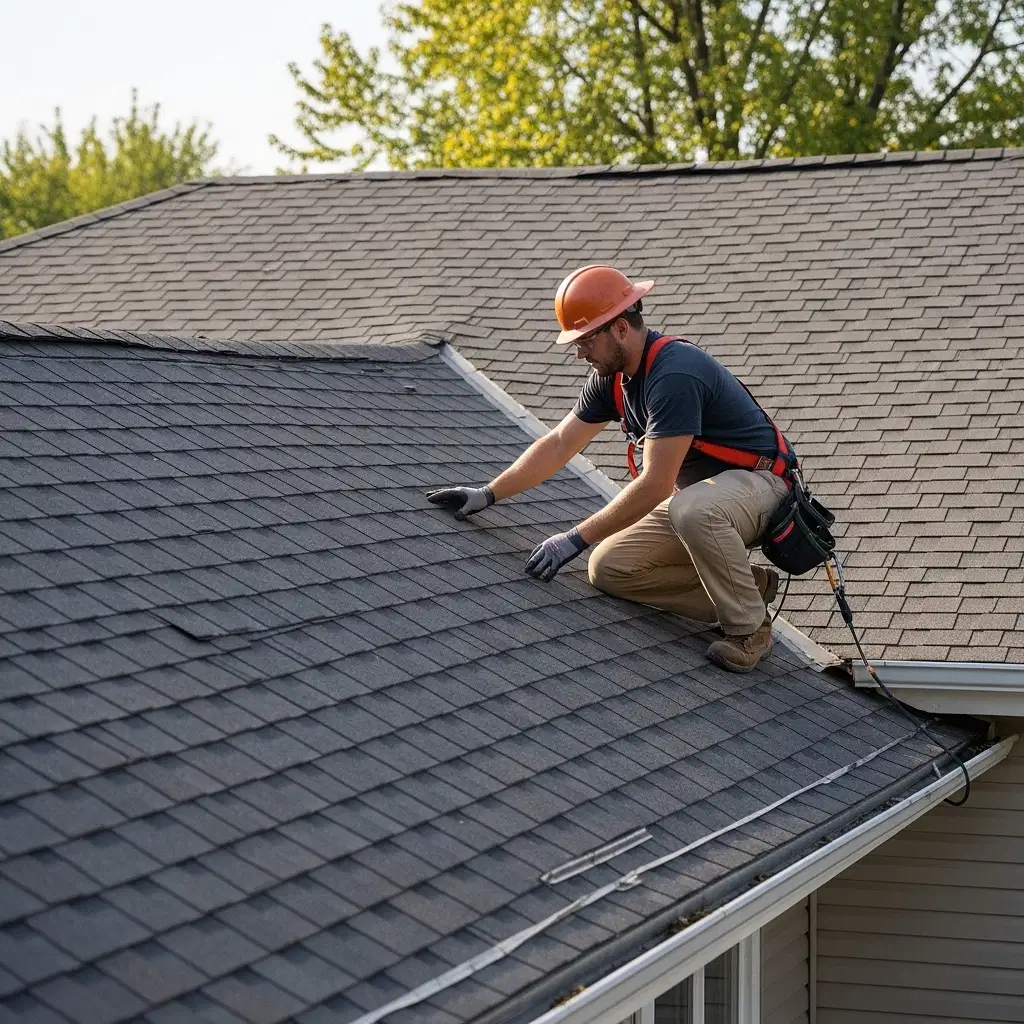
Whether we are upgrading your ventilation system or performing a full roof replacement, our process is incredibly thorough. We don't just slap new vents over old problems. We perform a complete tear-off of the old roofing materials to meticulously inspect the underlying wooden deck for any hidden moisture damage or rot. If we find compromised wood, we make the necessary repairs—even offering complimentary decking replacement for certain sections—to ensure your new ventilation system is built on a solid, secure foundation. This commitment to quality craftsmanship ensures your roof can withstand whatever the weather throws at it.
Keep Your Cowtown Home Cool This Summer
Your roof is your home's first line of defense against the elements, but it should also be an active participant in keeping your living space comfortable and energy-efficient. By investing in proper airflow, you can protect your shingles from premature aging, extend the life of your air conditioner, and keep your hard-earned money from flying out the window.
If y'all are tired of battling high cooling bills or suspect your home isn't breathing the way it should, we are here to help. From comprehensive inspections to expert ventilation upgrades, our team has the local experience to optimize your home for the extreme weather we see here in North Texas. Reach out to J. Treviño Roofing today to schedule a consultation, and let's make sure your home is ready to beat the heat.