Don't Let Debris Win: How Clogged Gutters Silently Destroy Your Roof
As a homeowner in Fort Worth, you’re no stranger to the unpredictable Texas weather. From intense downpours during hail season to the falling leaves of autumn, our homes endure a lot. We often focus on the big picture—the shingles, the siding—but there’s a humble hero working tirelessly to protect your property: your gutter system. When it's neglected, it can become the source of some of the most destructive and costly problems for your home's roof and structure. What starts as a small collection of leaves and twigs can quickly escalate into a serious threat to your roof's integrity, leading to damage you might not see until it's too late.
The First Line of Defense: Fascia, Soffits, and Water Damage
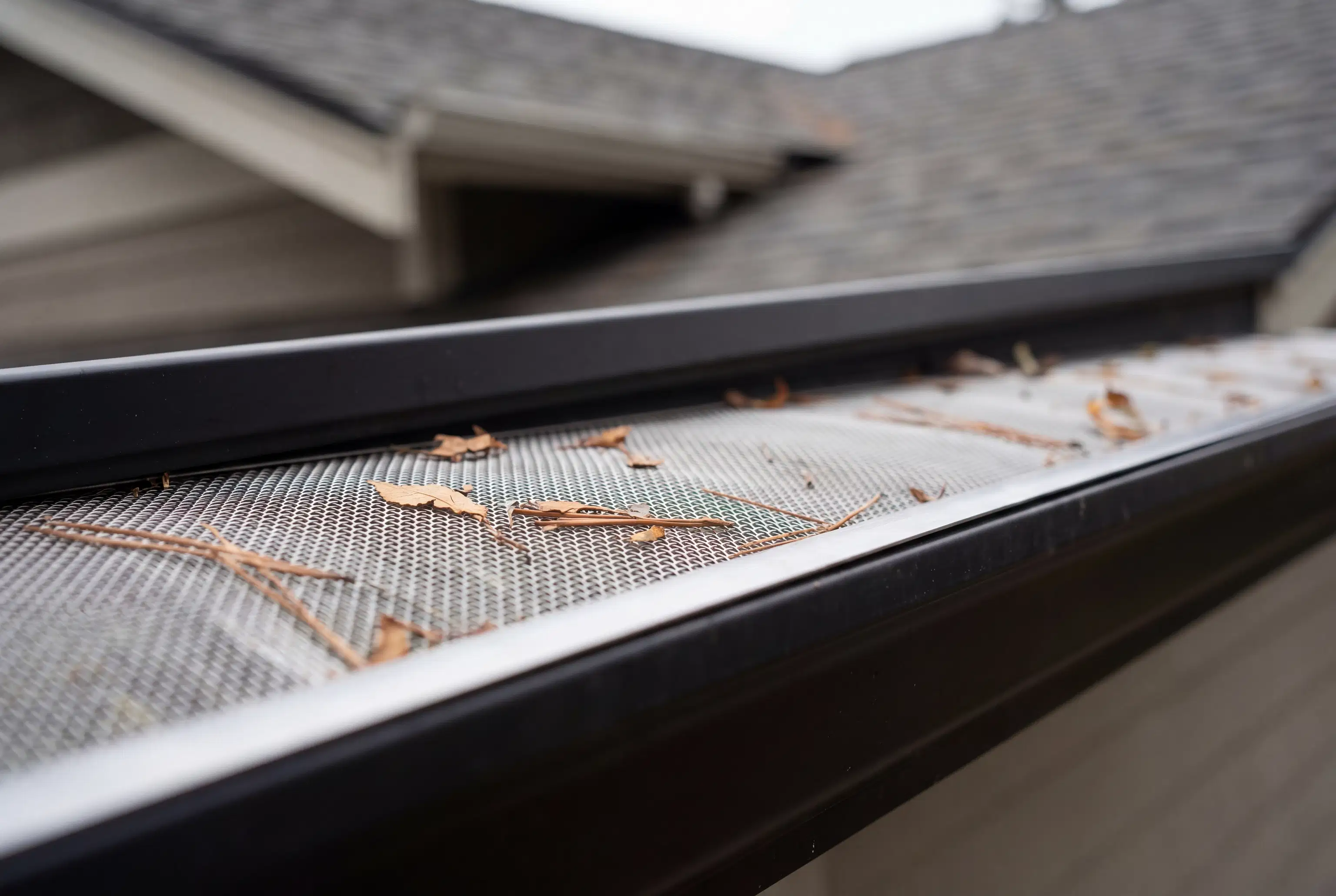
Your gutters are attached to a long, straight board called the fascia. Just under the roof's overhang, you'll find the soffit. These components aren't just for looks; they protect the edges of your roof and keep pests out of your attic. When gutters clog with leaves, dirt, and other debris, rainwater has nowhere to go but over the edge.
Instead of being channeled safely away from your home, this water spills over and constantly soaks the fascia boards. Over time, this persistent moisture leads to:
- Wood Rot: The fascia, typically made of wood, will begin to rot, soften, and decay. This compromises the structural support for the gutters themselves, causing them to sag or pull away from the house.
- Paint Peeling and Stains: You'll notice unsightly peeling paint and dark water stains running down your siding, diminishing your home's curb appeal.
- Pest Infestations: Damaged and rotting wood is an open invitation for insects like termites and carpenter ants, as well as birds and squirrels looking for a place to nest.
What seems like a minor overflow issue is actually the first visible sign that your gutters are failing to protect the critical edges of your roof. Addressing this early with professional gutter cleaning or gutter repairs can prevent more severe, hidden damage.
The Hidden Danger: How Water Back-Up Leads to Roof Deck Rot
While rotting fascia is a problem you can often see, the most significant danger from clogged gutters happens out of sight. When water can't drain, it pools in the gutters and can even back up onto the roof itself. This standing water then seeps underneath the first few rows of shingles, directly onto the roof's decking—the plywood or OSB foundation that supports the entire roofing system.
This is where the real trouble begins. Persistent moisture on the roof deck leads to:
- Deck Rot and Softening: The wood sheathing becomes saturated, losing its structural integrity. It can feel soft or spongy when walked on, a clear sign of advanced decay.
- Leaks and Interior Damage: As the decking rots, water can find its way into your attic and, eventually, your home's interior. This can result in stained ceilings, damaged drywall, and the potential for mold growth, which poses a health risk to your family.
- Compromised Shingle Adhesion: The nails holding your shingles in place have nothing solid to grip onto in rotted wood. This can cause shingles to loosen and blow off in high winds, leaving your home even more vulnerable.
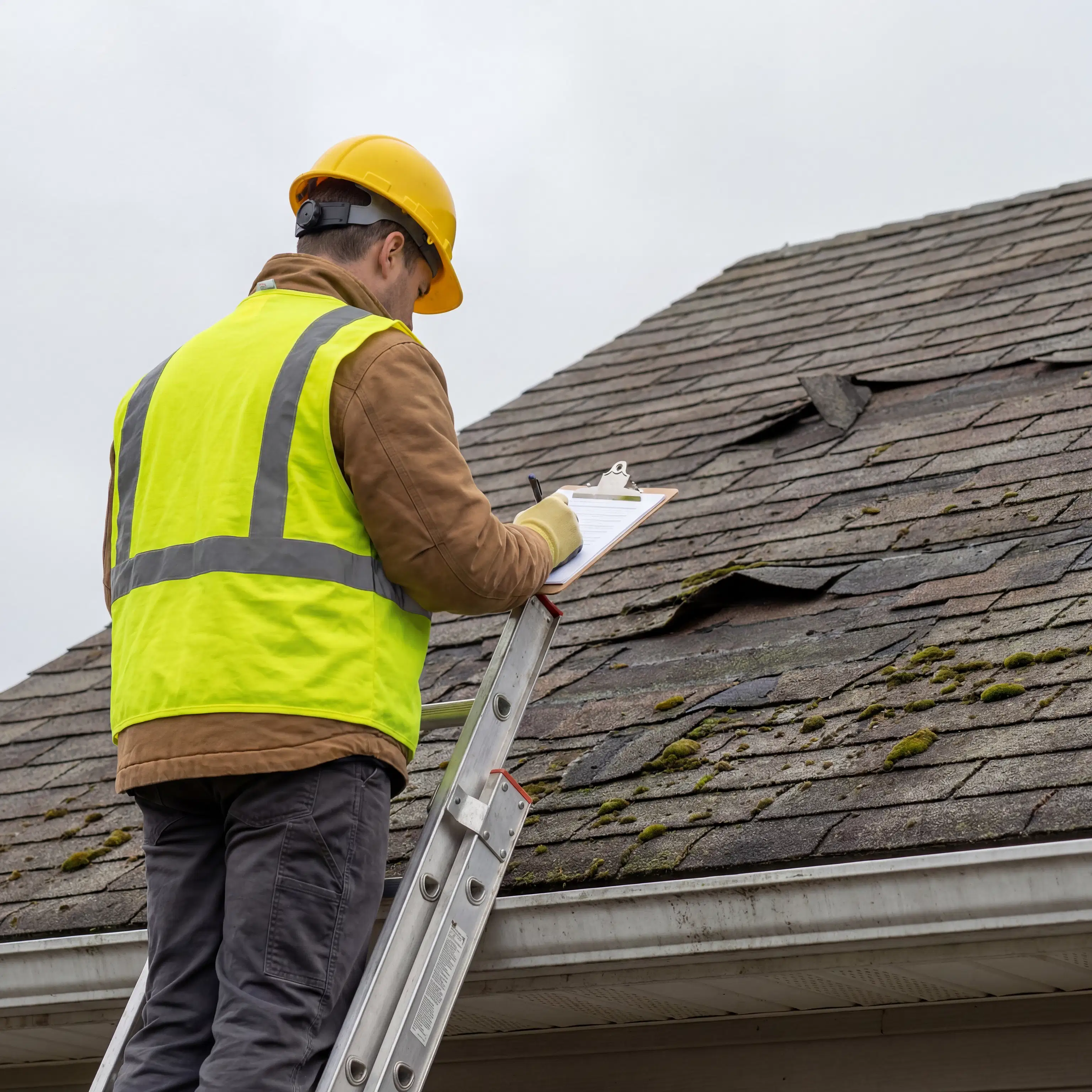
Many homeowners don't realize their roof deck is rotting until they're facing a full roof replacement. That's why a thorough roof inspection is so critical. At J. Treviño Roofing, we always inspect the decking during our projects because we know that a healthy roof starts with a solid foundation. Ignoring your gutters is like ignoring a slow leak in your home's foundation—the damage quietly compounds over time.
Beyond the Roof: Foundation and Landscape Erosion
Believe it or not, the problems caused by clogged gutters extend all the way to the ground. A properly functioning gutter system directs thousands of gallons of water away from your home's foundation each year. When that system fails, all that water is dumped directly at the base of your house.
This concentrated flow of water can cause a host of expensive issues:
- Foundation Damage: The soil around your foundation can become oversaturated, leading to hydrostatic pressure that can cause cracks in the foundation walls and basement leaks. In the DFW area, where soil can expand and contract dramatically, this excess moisture is particularly damaging.
- Landscape Erosion: The constant cascade of water can wash away mulch, topsoil, and ruin flowerbeds and other landscaping features you've worked hard to maintain.
- Driveway and Walkway Damage: Water pooling and freezing in the winter can cause cracks and heaving in your concrete or asphalt surfaces.
Protecting your entire property starts with ensuring water is managed correctly from the top down. A simple, routine gutter check can save you from thousands of dollars in foundation repair and landscaping costs.
Protect Your Investment Before It's Too Late
Your roof is one of the most important and expensive components of your home. Neglecting your gutters is a gamble that can lead to severe consequences, from cosmetic issues like peeling paint to catastrophic structural failure like a rotted roof deck. Regular maintenance isn't just a chore; it's a crucial step in protecting your investment and ensuring your family's safety and comfort.
Don't wait for the warning signs of water damage to appear. If you've noticed your gutters overflowing, see staining on your fascia, or simply can't remember the last time they were checked, it's time to take action. The team at J. Treviño Roofing is here to help y'all protect your Fort Worth home. We provide expert gutter cleaning, gutter repairs, and comprehensive roof inspections to identify and fix problems before they escalate. Contact us today to schedule a free consultation and gain the peace of mind that comes with a well-maintained home.